A pouch packing machine is an automated industrial system designed to form, fill, and seal flexible bags or pre-made pouches with various products. These machines utilize advanced mechanical and electronic controls to ensure high-speed production, precise dosing, and hermetic sealing, often integrating technologies like the pouch type vacuum packaging machine to extend product freshness.
Understanding the intricacies of these machines is essential for any business looking to scale their production line and reduce manual labor costs. From the initial roll of film to the final sealed product, the process is a masterpiece of engineering. This comprehensive guide will explore the components, operational mechanics, and diverse applications of these essential industrial tools.
Article Summary and Roadmap
| Section | Summary |
| What is a Pouch Packing Machine? | A fundamental overview defining the machine as a versatile tool for flexible packaging across various material states. |
| Key Components | An analysis of the essential hardware including the dosing system, PLC controllers, and sealing bars. |
| How Pouch Packing Machines Operate | A step-by-step technical breakdown of the packaging cycle from feeding to final discharge. |
| Applications Across Industries | Exploring how these machines serve the food, medical, and chemical sectors with specific packaging needs. |
| Benefits of Using a Pouch Packing Machine | Highlighting the advantages in efficiency, cost reduction, and enhanced product protection. |
| Maintenance Tips | Expert advice on ensuring long-term machine reliability through cleaning, calibration, and part replacement. |
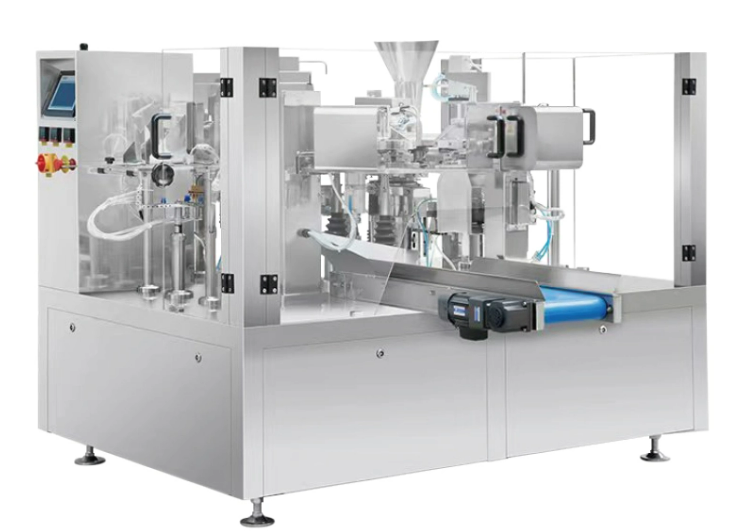
What is a Pouch Packing Machine?
A pouch packing machine is a sophisticated piece of automated equipment used to package products into flexible film bags or pre-formed pouches, serving as a cornerstone for modern high-speed production lines.
At its core, a pouch packing machine is designed to handle the entire packaging cycle with minimal human intervention. Depending on the design, these machines can either create a pouch from a continuous roll of flat film—known as Vertical Form Fill Seal (VFFS) or Horizontal Form Fill Seal (HFFS)—or they can pick up, open, fill, and seal pre-made pouches. In the context of high-end food preservation, the pouch type vacuum packaging machine is a specialized variant that removes air before sealing to prevent oxidation and spoilage.
The versatility of these machines allows them to accommodate a wide array of pouch styles, including stand-up pouches (doypacks), flat sachets, pillow bags, and gusseted bags. This flexibility is vital for B2B enterprises that manage multiple product lines, as quick changeovers between different bag sizes and types can significantly improve operational uptime. Modern systems are built with stainless steel frames to meet strict hygiene standards, ensuring they are suitable for both food-grade and industrial-grade environments.
Furthermore, the integration of smart sensors and PLC (Programmable Logic Controller) systems allows the machine to detect errors in real-time. For instance, if a pouch fails to open correctly, the system can bypass the filling stage to prevent product waste. This level of intelligence makes the pouch packing machine an indispensable asset for companies aiming for "Zero Waste" manufacturing targets and optimized supply chain efficiency.
Key Components of a Pouch Packing Machine
The key components of a pouch packing machine include the film feeding mechanism, the dosing or filling system, the PLC control unit, and the sealing assembly, all working in harmony to produce consistent packaging.
Every high-performance machine begins with a robust Film Transport and Unwind System. This component ensures that the packaging material is fed into the machine at a constant tension. Precise tracking is critical; if the film deviates even slightly, the printing will be misaligned, and the seals will be compromised. Sensors often monitor the "eye mark" on the film to synchronize the cutting and sealing actions with the printed graphics on the pouch.
The Dosing and Filling System is perhaps the most diverse component, as it must be tailored to the specific product being packaged. For powders, an auger filler is typically used to measure volume via screw rotation. For liquids, a piston pump or flow meter ensures drip-free accuracy. For solid items like snacks or hardware, multi-head weighers provide lightning-fast weight measurements. For specialized requirements, such as those found in a fully automated pouch type packaging machine, the filling nozzles are designed to prevent cross-contamination and ensure the highest levels of sanitary operation.
Finally, the Sealing and Cutting Assembly transforms the filled pouch into a finished product. Heat sealing bars, often coated with Teflon, apply precise pressure and temperature to melt the inner layers of the film together. Following the seal, a sharp blade or laser cuts the pouch from the web. In advanced models, the pouch type vacuum packaging machine includes a vacuum chamber or suction nozzle within this stage to extract air, which is essential for products like coffee, meat, or fermented vegetables.
How Pouch Packing Machines Operate
The operation of a pouch packing machine follows a rhythmic, automated cycle consisting of film forming (or pouch loading), date coding, product dosing, air extraction, and thermal sealing.
The process begins with Pouch Preparation. In a pre-made pouch machine, vacuum suction cups pick up a bag from a magazine and transport it to the opening station. In a roll-stock machine, the film is pulled over a forming collar that shapes it into a tube or a V-shape. During this initial stage, an integrated thermal or inkjet printer applies the batch number, manufacturing date, and expiration info to the film surface, ensuring traceability for every unit produced.
Once the pouch is opened and stabilized, it moves to the Filling and Settling station. The dosing system releases a predetermined amount of product into the pouch. To ensure the product settles at the bottom and doesn't interfere with the top seal, many machines employ a "vibratory settle" or "bottom-up fill" technique. For dusty products, a dust extraction hood is often positioned over the filling station to maintain a clean environment and ensure that no particles stick to the sealing area, which could cause leaks.
The final stage involves Sealing and Discharge. Before the heat bars close, the machine may inject an inert gas like nitrogen (gas flushing) or use a pouch type vacuum packaging machine function to remove oxygen. This is critical for maintaining a 6% or lower oxygen level in sensitive food packs. Once the environment inside the bag is stabilized, the heated jaws clamp down to create a permanent bond. The finished pouch is then cooled and conveyed out of the machine, often passing through a check-weigher or metal detector for quality assurance.
Applications of Pouch Packing Machines in Various Industries
Pouch packing machines are utilized across a vast spectrum of industries, including food and beverage, pharmaceuticals, agriculture, and chemical manufacturing, due to their ability to handle different material states.
In the Food and Beverage industry, these machines are ubiquitous. They package everything from liquid sauces and dairy products to dry snacks, grains, and frozen foods. The ability to create a pouch type vacuum packaging machine environment is particularly prized here, as it allows for the preservation of flavor and nutrients without the need for excessive preservatives. Stand-up pouches have replaced glass jars for many condiments, reducing shipping weight and carbon footprints significantly.
The Pharmaceutical and Medical sector relies on pouch packing for its high degree of accuracy and contamination control. Small sachets are used for single-dose powders, while larger pouches hold medical devices or sterilized equipment. These machines must often operate in cleanroom environments and integrate with serialization systems to prevent counterfeiting. The hermetic seals produced by high-end automated packaging solutions ensure that the contents remain sterile until the moment of use.
| Industry | Typical Products | Common Pouch Type |
| Food | Coffee, Snacks, Sauces | Stand-up Pouch, Vacuum Bag |
| Pharma | Powdered Medicine, Swabs | 4-Side Seal Sachet |
| Chemical | Fertilizers, Detergents | Gusseted Bag, Pillow Bag |
| Cosmetics | Face Masks, Samples | Flat Sachet |
In Chemical and Industrial applications, durability is the priority. Pouch packing machines for this sector are built to handle corrosive liquids, fine fertilizers, or abrasive hardware. The packaging materials used are often thicker and multi-layered to prevent punctures or chemical leaks. By automating the packaging of these substances, companies protect their workers from exposure to potentially harmful materials while increasing the speed of the outbound logistics chain.
Benefits of Using a Pouch Packing Machine
The primary benefits of using a pouch packing machine include significantly increased production speeds, reduced material waste, improved product shelf life, and lower labor costs through automation.
Enhanced Production Efficiency: Manual filling and sealing are slow and prone to error. An automated system can process between 30 and 100 pouches per minute, depending on the product and machine type. This allows manufacturers to meet large-scale orders with ease and consistency.
Superior Product Preservation: Utilizing a pouch type vacuum packaging machine ensures that oxygen-sensitive products stay fresh for much longer than traditional packaging. This reduces the rate of returns due to spoilage and increases the geographical reach of a brand.
Waste Reduction and Cost Savings: Precision dosing systems ensure that every pouch contains exactly the right amount of product, eliminating "overfill" which can eat into profit margins over time. Additionally, flexible packaging uses less raw material than rigid plastic or glass containers.
Marketing and Shelf Appeal: High-quality modern pouch designs allow for full-color, edge-to-edge printing. Stand-up pouches provide excellent visibility on retail shelves, helping products stand out in a crowded market.
Operational Flexibility: Modern machines are designed for quick changeovers. Operators can switch between different pouch sizes or product types by simply adjusting settings on the HMI (Human Machine Interface) and swapping out a few mechanical parts, making the facility highly responsive to market trends.
The transition to flexible packaging is not just a trend; it is a strategic move toward sustainability. Because pouches are lightweight and can be transported flat, they require fewer trucks for shipping, leading to a substantial reduction in the overall carbon footprint of the manufacturing process.
Maintenance Tips for Pouch Packing Machines
Effective maintenance for pouch packing machines involves daily cleaning of the sealing bars, weekly lubrication of moving parts, and monthly calibration of the PLC and sensors to ensure peak performance.
To maintain the integrity of the pouch type vacuum packaging machine seals, the Sealing Jaws must be inspected daily. Over time, film residue or product dust can accumulate on the heaters, leading to uneven heat distribution and weak seals. Cleaning these components with a non-abrasive tool while the machine is cool prevents "burn-on" and ensures that every pouch is airtight. Furthermore, checking the tension of the drive belts and the condition of the vacuum suction cups prevents mechanical slips that can lead to downtime.
Lubrication is the lifeblood of any high-speed mechanical system. Following the manufacturer’s schedule for oiling bearings and greasing gear assemblies reduces friction and heat buildup. It is also vital to keep the electrical cabinet clean; dust buildup on the PLC or servo drives can lead to overheating and unexpected logic errors. Using dry, compressed air to blow out sensitive electronic areas is a standard practice in well-run facilities.
Lastly, regular Software and Sensor Calibration is essential. Sensors that detect pouch position or product level can drift over time due to vibration. By performing a monthly audit of these systems, you ensure the high-precision filling operations remain accurate. Keeping a stock of critical "wear parts"—such as cutting blades, heating elements, and thermocouples—allows your maintenance team to perform repairs instantly, avoiding the long lead times associated with international shipping.
Conclusion
The evolution of the pouch packing machine has transformed how we perceive packaging. No longer just a container, the modern pouch is a high-tech barrier that protects, preserves, and promotes the product within. By integrating a pouch type vacuum packaging machine into the production line, businesses can achieve a level of quality and shelf-life extension that was previously reserved for expensive canning or bottling processes.
For B2B enterprises, the investment in automated packaging technology is a clear path to scalability. Whether you are packaging fine chemicals, delicate pharmaceuticals, or mass-market snacks, the right machine provides the speed and precision necessary to compete in a global economy. By focusing on high-quality components, understanding the operational flow, and committing to a rigorous maintenance schedule, manufacturers can ensure their packaging line remains a profitable and reliable asset for years to come.


